Updated: December 2025 Non-Invasive tVNS Guide

Best Vagus Nerve Stimulation Devices (2025)

Our rankings prioritize real-world usability — comfort, ease of use, app guidance, and overall value — so you can quickly find a device that actually fits daily life.

🧪 Criteria: Daily Use + Value 📱 App & Programs Matter 🛡️ Editorial-Style Review

What Is Vagus Nerve Stimulation?

Vagus nerve stimulation (VNS) is a technique designed to influence the vagus nerve — one of the most important nerves in the human body. It plays a key role in regulating stress response, heart rate, digestion, inflammation, mood, and sleep.

The vagus nerve is the main communication pathway of the parasympathetic nervous system, responsible for shifting the body from a state of “fight or flight” into “rest and digest.”

When this nerve is gently stimulated, the body may respond by lowering stress signals, calming the nervous system, and promoting a sense of relaxation and balance.

Medical vs Non-Invasive VNS

Traditional VNS was originally developed as an implanted medical device used for severe neurological conditions. These surgical implants are costly and require medical supervision.

Today, most consumer devices use non-invasive vagus nerve stimulation (nVNS or tVNS), delivering gentle electrical signals through the skin — without surgery.

What Is tVNS / nVNS?

Transcutaneous or non-invasive vagus nerve stimulation works by applying low-level electrical impulses to areas of the neck or ear where the vagus nerve can be accessed externally.

These signals aim to activate vagal pathways safely, producing calming physiological responses without breaking the skin.

Common Reasons People Use tVNS

  • Daily stress and nervous system overload
  • Anxiety and mental tension
  • Sleep difficulties and restlessness
  • Burnout and emotional fatigue
  • Support for focus and mental clarity

How We Ranked These Vagus Nerve Devices

Not all vagus nerve stimulation devices are built for the same purpose. Some are designed for clinical use, while others focus on daily stress relief, comfort, and accessibility.

Our ranking prioritizes real-world usability — how well a device fits into everyday life — rather than laboratory-style performance alone.

Effectiveness for Daily Use

We evaluated how quickly users may feel noticeable calming effects and whether the device is practical for consistent, everyday sessions.

Ease of Use & Comfort

Devices that are intuitive, comfortable on the neck or ear, and simple to operate scored higher than those with complicated setups.

Design & User Experience

We considered ergonomics, portability, and whether the device integrates smoothly with a mobile app or guided programs.

Accessibility & Availability

Devices that can be purchased without a prescription and used immediately were ranked higher for general consumers.

Price vs Overall Value

We weighed cost against features, long-term usability, and the breadth of benefits offered by each device.

Target Audience Fit

Devices focused on narrow medical conditions were evaluated differently from those designed for general wellness and nervous system regulation.

This approach allows us to highlight devices that deliver the best balance of comfort, accessibility, and effectiveness for most users — while still recognizing clinically focused options for specific needs.

Top Picks: Best Vagus Nerve Devices (2025)

Below are our top-ranked non-invasive vagus nerve stimulation options, chosen for everyday usability, comfort, and overall value — with clinically focused options highlighted where relevant.

#1 Best Overall Editor’s Pick
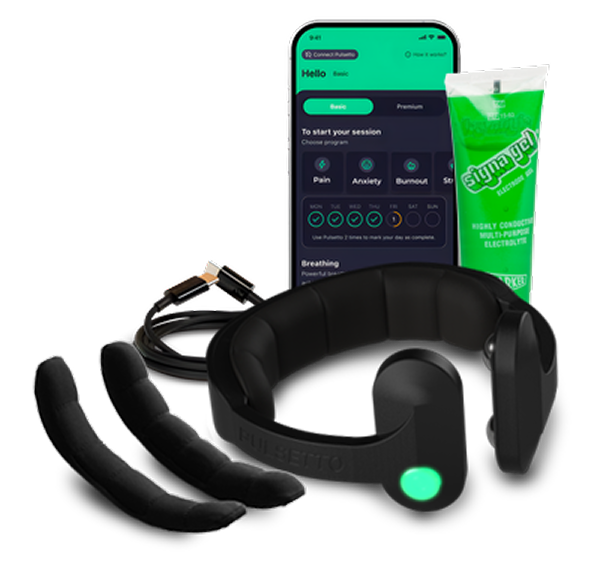
Pulsetto vagus nerve stimulation device

Pulsetto

The most balanced choice for daily nervous system support — designed for stress relief, relaxation, sleep support, and guided sessions.

Neck Stimulation Guided App Programs Daily-Use Friendly
  • Easy routine: quick sessions that fit real life (no complex setup).
  • Comfort-first design: built for regular use, even for beginners.
  • Program variety: guided modes focused on stress, sleep, and recovery.
Best for: daily stress, nervous system overload, sleep support, burnout

Note: Availability, pricing, and bundles can change. We recommend checking the official site for current details.
#2 Clinically Focused Prescription Device
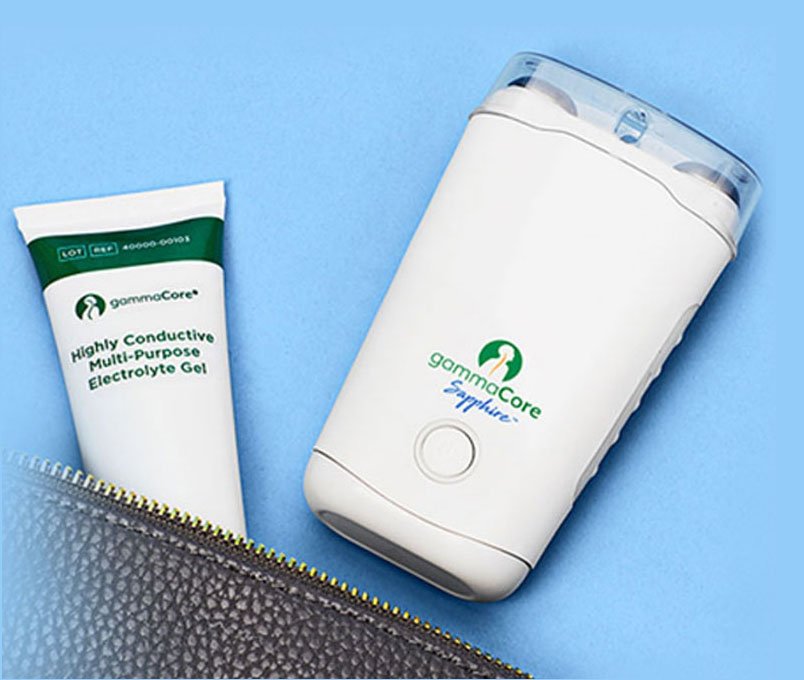
gammaCore non-invasive vagus nerve stimulation device

gammaCore

A medically positioned non-invasive VNS option, best known for more clinical, condition-specific pathways rather than general wellness routines.

Neck Stimulation Clinical Positioning Requires Prescription
  • Medical-first approach: often used with clinician guidance.
  • Credibility angle: positioned as a regulated pathway for specific needs.
  • Access barrier: prescription requirements can limit availability.
Best for: people who want a clinical route + clinician supervision

Note: Rankings reflect our editorial criteria (daily usability + value). Individual results vary. This content is educational and not medical advice.

Quick Comparison: Top Vagus Nerve Devices

This table is designed to help you quickly match the right device to your goals. We included both daily-use wellness options and more clinically positioned devices.

Device Stimulation Area Best For Access App / Programs Notes
Pulsetto device
Pulsetto #1
Best Overall (Daily Use)
Check official website →
Neck (non-invasive) Stress relief, relaxation, sleep support, burnout No prescription Yes (guided programs) Best balance of comfort + usability + value.
gammaCore device
gammaCore #2
Clinically Focused
Neck (non-invasive) Clinical pathway / structured use with clinician guidance Prescription required Varies by setup Strong medical positioning, but access is harder.
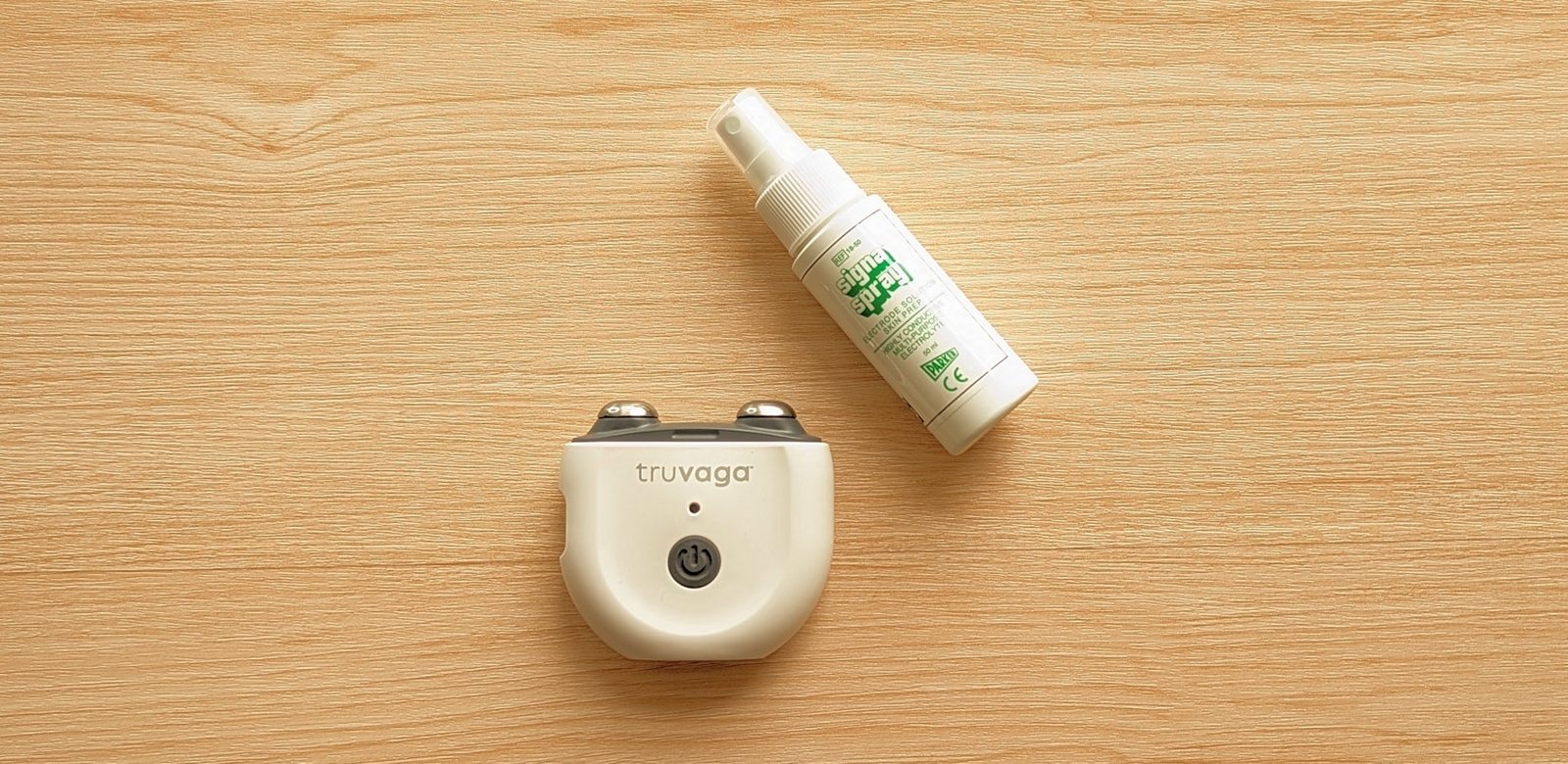
Truvaga Plus device
Truvaga Plus #3
Premium-Style Option
Neck (non-invasive) People who prefer a more “premium” clinical-style experience No prescription Limited / less guided Good option, but often costs more for fewer guided features.
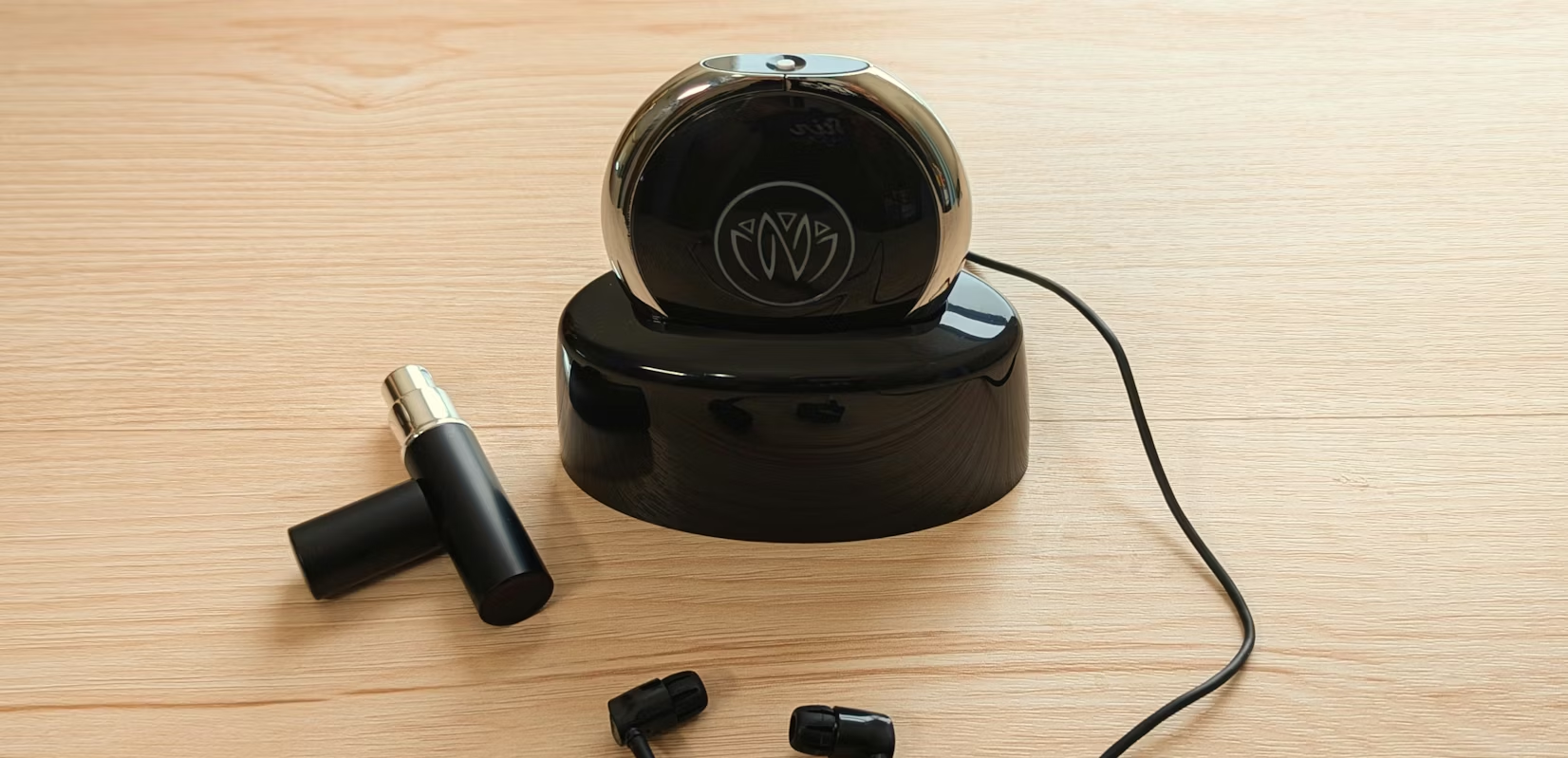
Xen by Neuvana ear device
Xen by Neuvana #4
Ear-Based Device
Ear (non-invasive) Biohacker-style users who prefer ear-based stimulation No prescription Yes (app support) Not everyone likes ear stimulation for daily use.

Tip: If your goal is everyday stress relief and nervous system regulation, a comfortable, easy-to-use device tends to win long-term — consistency beats complexity.

Safety, Side Effects & Who Should Avoid tVNS

Non-invasive vagus nerve stimulation (tVNS or nVNS) devices are generally considered safe for most healthy adults when used as directed. However, they are not suitable for everyone.

Is tVNS Safe?

Most consumer-grade tVNS devices deliver low-level electrical impulses through the skin. Users typically describe the sensation as mild tingling or gentle vibration rather than pain.

When used properly, serious side effects are uncommon. The most reported reactions are temporary skin sensitivity or mild discomfort at the stimulation site.

Common Sensations During Use

  • Light tingling or pulsing sensation
  • Mild muscle twitching in the neck or jaw area
  • Warmth or slight pressure at the contact points

These sensations usually fade quickly after the session ends.

Who Should NOT Use tVNS Devices

  • People with implanted medical devices (pacemakers, defibrillators)
  • Individuals with serious heart rhythm disorders
  • Those with epilepsy unless cleared by a healthcare professional
  • Pregnant individuals
  • Anyone advised by a doctor to avoid electrical stimulation

Medical Disclaimer

Non-invasive vagus nerve stimulation devices are not intended to diagnose, treat, cure, or prevent medical conditions unless specifically cleared for that purpose.

If you have an existing medical condition or concerns, it’s always best to consult a qualified healthcare professional before use.

Why Pulsetto Ranked #1 Overall

After comparing multiple non-invasive vagus nerve stimulation devices, Pulsetto stood out as the most practical and well-rounded option for everyday nervous system support.

Designed for Real Life (Not Just Clinical Settings)

While some devices prioritize clinical protocols or narrow use cases, Pulsetto focuses on daily usability. Sessions are short, intuitive, and easy to integrate into real routines — even for beginners.

This matters because consistency is one of the biggest factors in nervous system regulation over time.

Guided Programs Make a Difference

Pulsetto pairs the device with a companion app that offers guided programs tailored to different needs, such as stress, sleep support, and burnout.

For many users, this guidance removes guesswork and helps maintain a regular practice instead of sporadic use.

Comfort & Accessibility

The neck-based, non-invasive design avoids ear clips or complicated electrode placements. Most users describe the sensation as gentle and manageable after a short adjustment period.

Importantly, Pulsetto does not require a prescription, making it accessible to people who want to try tVNS without clinical barriers.

Balanced Value Proposition

Compared to premium-priced or prescription-based alternatives, Pulsetto offers a strong balance between features, comfort, and long-term usability.

This balance is why we ranked it higher for general wellness and everyday nervous system regulation.

Pros

  • Easy to use, even for beginners
  • Short sessions that fit daily routines
  • Guided app programs for different goals
  • No prescription required

Cons

  • Not intended as a medical treatment
  • Requires regular use for best results
  • Sensation may take time to get used to

How People Typically Use Pulsetto

  1. Place the device comfortably around the neck.
  2. Select a guided program in the app (e.g., stress or sleep).
  3. Run a short session, usually just a few minutes.
  4. Repeat consistently as part of a daily routine.

Because pricing, bundles, and availability can change, we recommend checking the official Pulsetto website for the most up-to-date details.

Visit Pulsetto Official Website →

FAQ: Vagus Nerve Stimulation Devices

Below are the most common questions people ask before choosing a non-invasive vagus nerve stimulation (tVNS/nVNS) device.

Do vagus nerve stimulation devices really work?

Many users report noticeable relaxation, calmer mood, and better sleep support when using non-invasive stimulation consistently. Outcomes vary based on the device, the person, and how regularly it’s used. For most people, the best results come from short, consistent sessions rather than occasional use.

How long does it take to feel results?

Some people feel a calming effect within minutes, while others notice more gradual changes over days or weeks. If you’re using tVNS for stress and nervous system regulation, consistency is usually the biggest factor.

Is Pulsetto safe for daily use?

For most healthy adults, non-invasive neck stimulation devices are generally considered safe when used as directed. However, if you have an implanted medical device (like a pacemaker), heart rhythm issues, epilepsy, or you’re pregnant, you should consult a healthcare professional first.

Does tVNS hurt?

Most people describe tVNS as a mild tingling or pulsing sensation rather than pain. You may feel light muscle twitching around the neck or jaw area, especially at higher intensity settings.

Can I use a vagus nerve device if I’m taking anxiety or sleep medication?

Because individual situations vary, it’s best to ask a qualified healthcare professional if you’re using prescription medication or managing a diagnosed condition. These devices are generally positioned as wellness support tools unless specifically cleared for medical use.

Why is gammaCore ranked #2 if it’s clinically focused?

gammaCore is positioned as a more clinical pathway and often requires a prescription, which can make it less accessible for general consumers. Our ranking prioritizes everyday usability and value for most people, while still recognizing clinically oriented options for specific needs.

Neck stimulation vs ear stimulation: which is better?

Both approaches can be non-invasive. Neck-based devices tend to be more straightforward for beginners, while ear-based devices are often preferred by experienced users who specifically want that stimulation style. Comfort and consistency typically matter more than the location alone.

How do I choose the right device?
  • Daily stress / sleep support: prioritize comfort + guided programs.
  • Clinical pathway: consider prescription-based options with clinician guidance.
  • Preference for ear stimulation: choose an ear-based device you can use consistently.
  • Budget: focus on long-term usability, not just the upfront cost.

If you’re looking for the most balanced daily-use option, you can check Pulsetto’s current availability on the official website.

Check Pulsetto Official Website →

Disclaimer: This page is for educational purposes and does not provide medical advice.